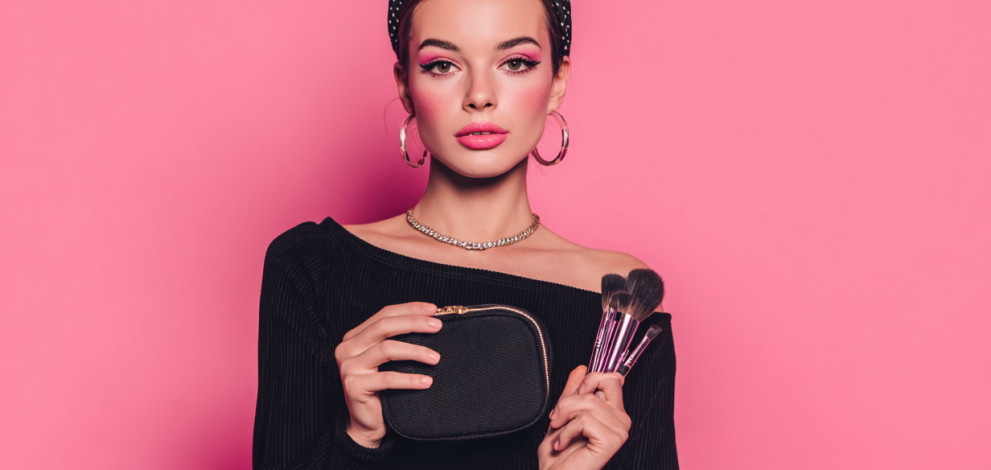
Let’s be real—contouring can feel like rocket science when you’re starting out. Between choosing the right shades and figuring out where exactly to place them, it’s easy to feel overwhelmed. But here’s the thing: you don’t need to break the bank to master this face sculpting technique. With the right approach and some clever budget hacks, you can create stunning definition without spending a fortune. This affordable contouring guide will walk you through seven game-changing tips that prove great contour makeup doesn’t have to cost the earth. Whether you’re completely new to makeup or just want to nail the basics without the hefty price tag, these contouring for beginners strategies will have you sculpting like a pro.
What Makes Contouring Worth Learning?
Contouring is essentially the art of using light and shadow to enhance your natural bone structure. Think of it as strategic makeup placement that creates the illusion of more defined cheekbones, a slimmer nose, or a sharper jawline. The beauty of starting with budget products lies in the freedom to experiment without the pressure of perfecting expensive formulas. When you’re learning contouring techniques, affordable products actually work in your favour. You can try different shades, textures, and application methods without worrying about wasting money. Plus, many drugstore formulas are surprisingly forgiving—they blend easily and build gradually, which is exactly what beginners need.
Common Mistakes to Avoid
The biggest trap new contour enthusiasts fall into is going too dark too quickly. Start with shades that are only 1-2 tones deeper than your natural skin tone. Another rookie error? Forgetting to blend. Even the most perfectly placed contour will look harsh without proper blending.
Budget-Friendly Products That Actually Work
You don’t need a £50 palette to create gorgeous definition. Some of the best contour products for beginners come from the high street. Cream contour sticks are brilliant for beginners because they’re easy to control and blend seamlessly into the skin. Look for multi-use products that can double as eyeshadow or even brow powder. This way, you’re getting more bang for your buck whilst building a versatile makeup collection. Powder contours work well too, especially if you prefer a more matte finish or have oily skin.
What to Look For
Choose products with buildable coverage rather than super pigmented formulas. You want something that allows you to gradually build up the intensity. Creamy textures are generally more forgiving for beginners, whilst powders offer more precision once you’ve got the hang of it.
Finding Your Perfect Contour Shade
This is where many people get stuck, but it’s actually simpler than you think. The golden rule for how to contour naturally is to choose a shade that mimics your natural shadow. Look at the underside of your jawline or the hollow of your cheeks in natural light—that’s your target colour. For fair skin tones, look for cool-toned browns or taupes. Medium skin tones can go slightly warmer with golden browns, whilst deeper skin tones look gorgeous with rich chocolate or espresso shades. When in doubt, test shades on your jawline rather than your hand—it’s a much better match for your face.
The Two-Shade Strategy
If you’re really unsure, grab two shades—one lighter for subtle everyday looks and one slightly deeper for evening or more dramatic effects. This gives you flexibility without breaking the budget.
7 Budget-Friendly Contouring Tips That Actually Work
Ready to dive into the good stuff? These seven contouring tips will transform your makeup game without emptying your wallet. Each technique focuses on maximum impact with minimal investment.
Tip 1: Master the Basic Face Map
Start by identifying the key areas to contour: the hollows of your cheeks, temples, sides of your nose, and along your jawline. Use a light hand and build gradually. The goal is to enhance, not completely reshape.
Tip 2: Use the Triangle Method for Cheekbones
Place your contour in a triangle shape under your cheekbone, with the point towards your ear. This creates natural-looking definition that follows your bone structure. Blend upwards and outwards for the most flattering effect.
Tip 3: Nose Contouring with Precision
For nose face sculpting, less is definitely more. Use a small brush or your finger to apply a thin line down each side of your nose. Blend well to avoid harsh lines. This technique can make your nose appear slimmer and more defined.
Tip 4: Jawline Definition on a Dime
Run your contour along the underside of your jawline, blending downwards onto your neck. This creates the illusion of a sharper, more defined jaw. Don’t forget to blend where your jaw meets your ear for a seamless finish.
Tip 5: Forehead Sculpting Basics
If you have a larger forehead, lightly contour along your hairline. For those wanting to add dimension, contour the temples in a ‘C’ shape. This creates beautiful depth without looking overdone.
Tip 6: Blending Techniques with Affordable Tools
You don’t need expensive brushes to blend like a pro. A damp beauty sponge works brilliantly for cream products, whilst a fluffy powder brush handles powder contours beautifully. Even clean fingers can work for cream formulas.
Tip 7: Setting Your Contour Without Expensive Products
A light dusting of translucent powder or even a matching powder eyeshadow can set your cream contour. This prevents it from moving throughout the day and helps it last longer.
Step-by-Step Contouring Tutorial
Now that you know the techniques, let’s put it all together in this makeup contouring guide. Start with a well-moisturised face and your base makeup already applied. This creates the perfect canvas for your contour work. Begin with the largest areas first—your cheekbones and jawline. Apply your contour product with light, sweeping motions, then blend immediately. Work in thin layers rather than trying to achieve full intensity in one go. This approach gives you much more control over the final result.
Different Face Shapes Need Different Approaches
Round faces benefit from contouring the sides of the forehead and under the cheekbones to create length. Square faces look gorgeous with softened corners—blend contour along the jawline and temples. Oval faces can handle most techniques, whilst heart-shaped faces should focus on balancing the forehead with subtle temple contouring.
Tools and Application Methods That Won’t Break the Bank
The right tools make all the difference, but they don’t have to cost a fortune. For cream products, your fingers are actually one of the best application methods—they warm the product and help it blend seamlessly. A damp beauty sponge is perfect for blending and creating that airbrushed finish. For powder products, look for synthetic brushes as they pick up and distribute product more evenly. You can find excellent options at budget-friendly prices. Clean your tools regularly with gentle soap or brush cleaner to keep them in top condition.
Cream vs Powder: Which to Choose?
Cream products are generally more forgiving for beginners and create a natural, skin-like finish. They’re perfect for easy contouring and blend beautifully with your base makeup. Powder products offer more precision and are ideal if you prefer a matte finish or have oily skin. The beauty of starting your contouring journey with budget-friendly options means you can experiment with different formulas without the pressure. Platforms like Smytten make this even easier by offering trial sizes of various contour products from trusted brands. You can explore different textures and shades through curated trial packs, letting you discover what works best for your skin before committing to full-size purchases. With over 1,500 brands available and the ability to get up to 8 minis for just ₹249, you can try multiple contouring techniques and products without breaking the bank.
Frequently Asked Questions
Which contour is best for beginners on a budget?
Cream contour sticks are brilliant for beginners because they’re easy to control and blend. Look for drugstore options that offer buildable coverage rather than super pigmented formulas. Brands often available in trial sizes let you test before investing in full products.
Is it OK to contour every day with budget products?
Absolutely! Many affordable contour products are gentle enough for daily use. Just make sure to remove your makeup thoroughly each evening and moisturise well. If you notice any irritation, give your skin a break or switch to a different formula.
How do I know which affordable contour to buy?
Test shades on your jawline in natural light, read reviews from people with similar skin tones, and don’t be afraid to ask for help at the store. Starting with trial sizes is a smart way to find your perfect match without wasting money on full-size products that might not work.
What’s the difference between contouring and bronzing?
Contouring uses cooler, more neutral tones to create shadows and definition, whilst bronzing adds warmth and a sun-kissed glow. Contour goes in the hollows and recesses of your face, whilst bronzer goes on the high points where the sun would naturally hit.
Final Thoughts
Mastering contouring doesn’t require expensive products or professional training—it just takes practice and the right approach. These budget-friendly techniques prove that gorgeous face sculpting is accessible to everyone, regardless of budget. Remember, the best contour is one that enhances your natural features rather than completely changing them. Start with one or two techniques and gradually build your skills. With platforms offering trial sizes and affordable options, you can explore different products and methods without the financial pressure. The key is to have fun with it and remember that makeup should make you feel confident and beautiful. After all, why settle for maybe when you can try different techniques and find what works perfectly for you?