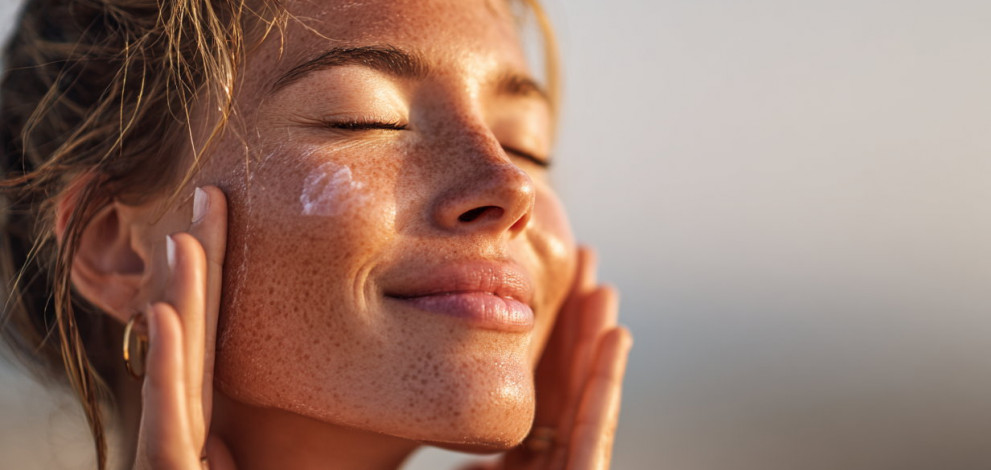
You step out for just ten minutes and come back feeling sticky, dull, and already a shade darker. That’s Indian summer for you. Between harsh sun, humidity, sweat, and constant exposure, your skin is dealing with a lot more than you realise. Yet, most people either overdo skincare (too many products) or skip it completely (too tired, too busy). Neither works, because a skincare routine for summer isn’t about doing more; it’s about doing a few things differently. Let’s break down what actually helps your skin stay protected, hydrated, and calm through the heat.
Why Does Your Skincare Routine for Summer Need Changes
Think about how your day changes in summer. Due to more sweating, more sun exposure, more time in AC, and more dehydration, your skin:
– Loses water or moisture
– Tans and gets pigmented
– Produces more oil and pores clog faster
If you do not adjust your skincare routine for summer accordingly, you might face the consequences. So the goal isn’t perfection; it’s adaptation.
7 Habits to Include In a Skincare Routine For Summer
1. Sunscreen Isn’t Optional—Master the ‘Two-Finger’ Rule
UV rays are the main reason for skin tanning, pigmentation, and early ageing. Sunscreen is the one thing most people know but still skip or apply too little. It isn’t just for beach days. It’s for everyday exposure—walking, commuting, even sitting near windows. People may also apply too little sunscreen and then wonder why they still get tanned. To get the SPF promised on the bottle, squeeze two consistent lines of sunscreen along your index and middle fingers. That is the exact amount needed for just your face and neck. Use a broad-spectrum sunscreen (SPF 30 or higher) and reapply every few hours, especially if you’re sweating.
Real-life tip: Apply sunscreen like you apply moisturiser—non-negotiable before stepping out.
2. Need More Than A Sunscreen — Opt For ‘Antioxidant’ Morning Shield
Sunscreen protects you from UV rays, but it doesn’t stop the “Free Radical” damage caused by heat and pollution. Apply a Vitamin C Serum every morning before your moisturiser.
Vitamin C is especially effective for Indian skin tones, which are prone to “Post-Inflammatory Hyperpigmentation” (dark spots left behind after a tan or a pimple). It acts as a secondary layer of defence, brightening the skin and improving your sunscreen’s effectiveness.
3. Stop Overwashing — Switch to a ‘Lightweight’ Cleansing
When your face feels oily and sweaty, the instinct is to wash it again and again. Over-washing strips your natural oils, causing your skin to produce more oil to compensate. The heavy, creamy cleanser that must have saved you in January could now turn into your enemy. In summer, sweat and pollution mixed with heavy creams can clog your pores. Switch to a Salicylic Acid or Glycolic Acid-based foaming cleanser. Wash your face twice a day.
Why it works: Chemical exfoliants like Salicylic acid get deep into the pores to dissolve the “glue” that holds sweat and dirt together.
4. Calm Your Skin After Sun Exposure — The ‘Cold-Water’ Recovery
After a long commute in the heat, your skin is physically “hot”. This heat triggers inflammation and can worsen conditions like heat rashes (ghamori). Instead of ignoring it, give your face a cold mist or cool water wash just after you get home. Make a habit of storing your toner or rose water in the fridge and use soothing ingredients like aloe vera. This can constrict blood vessels, reduce redness, and instantly bring down the skin’s temperature, stopping the “burn” before it starts.
5. Don’t Ignore ‘Physical Protection’ — Fix Your Summer Skin & Scalp
As your scalp is skin, too. Sun damage can lead to brittle hair and a “sunburnt” scalp, which causes dandruff-like flaking. What people often depend on are only skincare products, but sometimes, the simplest protection is physical. Physical protection can be a dupatta or scarf, sunglasses, caps or umbrellas. These reduce direct sun exposure instantly—something no cream can fully replace.
6. Your Diet Shows on Your Skin — Eat Your ‘Natural Skincare’
What you eat determines how well your skin repairs itself overnight or handles heat. Instead of packaged juices or sugary drinks, seasonal fruits do a better job for your skin. It’s skincare, but from your plate.
Choosing water-rich foods like watermelon, cucumber, tomatoes, mangoes, and oranges helps maintain hydration and support skin health from within. Lycopene (found in tomatoes) has been shown to provide a small amount of internal UV protection [1]. The water content in melons keeps your cells plump from within.
7. Hydration Isn’t Just About Drinking Water – ‘Water-Lock’ Your Hydration
Drinking water is essential, but it isn’t enough to hydrate your face. You need to trap moisture into the skin layers. Easy swap is to move away from heavy oils and switch to hyaluronic acid or glycerin-based gel moisturisers. Apply your moisturiser to damp skin.
Why it works:
Heat causes your skin to lose moisture quickly, so both internal hydration and topical hydration are important. Hyaluronic acid can hold 1,000 times its weight in water [2]. By applying it to a damp face, you “lock” that moisture in. This prevents the parched, dull look that can come from 10 minutes in the afternoon sun.
In Conclusion
Summer will test your skin—there’s no avoiding that. But the difference between dull, tired skin and healthy, glowing skin isn’t expensive products. It’s small, daily habits that you incorporate into your skincare routine for summer.
FAQs
Q. Does a ‘Base Tan’ protect me from further sun damage?
No. A tan is your skin’s “SOS signal” that DNA damage has already occurred. There is no such thing as a “healthy tan”. Every time you tan, you increase your risk of premature ageing and dark spots.
Q. Can I skip moisturiser if my skin is very oily in summer?
Never skip moisturising. Oily skin is actually dehydrated skin trying to protect itself. If you skip moisturiser, your skin will produce more oil to compensate. Use a lightweight, oil-free “water cream” instead.
Q. How do I get rid of a stubborn summer tan quickly?
Avoid harsh “whitening” creams. Instead, use a weekly mask of Alpha Arbutin or a traditional Ubtan made of curd and besan (gram flour). The lactic acid in the curd gently exfoliates the tanned layers without irritating the skin.
Q. Why do I get more pimples in the summer?
Heat increases oil production, and sweat provides a “sticky” surface for bacteria to grow. Pair that with clogged pores from heavy creams, and you have a recipe for acne. Stick to “non-comedogenic” (pore-friendly) products.
Q. What is the best way to treat “Ghamori” (heat rash) on the face?
Avoid heavy creams or oils on the rash—they block sweat glands and make it worse. Stick to Calamine lotion or pure Aloe Vera gel. These soothe the itch and let your skin breathe.
Q. Does “double cleansing” help with summer breakouts?
Absolutely. If you use waterproof sunscreen or long-stay foundation, a regular face wash won’t cut it. Use a micellar water first to dissolve the “sticky” sunblock, then follow with your regular foaming wash.
Q. Is a high SPF (like SPF 50+) enough for a full day out?
No. SPF measures intensity, not time. An SPF 50 only stays effective for about 2 to 3 hours if you are sweating or outdoors. For real protection during a commute or a day at the market, you must reapply.