Best yoga poses: Just 15 minutes of yoga can help instantly calm your mind and body. Doing so daily can increase blood flow and relax the nervous system.
Women play many roles, whether as a wife or mother, a working professional, or a housewife. Emotional stress, irregular sleep and rest patterns, and constant stress may cause damage to the heart and lead to high blood pressure. Yoga, in addition to a healthy lifestyle and medical support, can help maintain a natural balance of blood pressure and emotional health.
Himalayan Siddhaa Akshar, author, columnist, and founder of Akshar Yoga Kendraa, told Moneycontrol, “A brief yoga session each day can help women relax the nervous system, increase blood flow, and foster inner peace. Fifteen minutes of mindfulness per day can provide physical health and mental clarity and emotional stability.” Here are the five yoga asanas he recommended.
5 yoga asanas that help manage hypertension
Yoga is the integration of slow movements, breathing consciousness and relaxation. This is how these practices can help relax the body and alleviate stress, which is a key factor in maintaining good blood pressure. Slow breathing and conscious postures, aid oxygen flow, loosen tension in the muscles and facilitate emotional equilibrium.
Daily yoga practice also benefits women by improving sleep, concentration and well-being which makes them feel calmer and more energised all day.
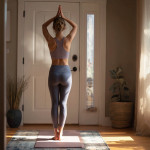
1. Tadasana (Mountain Pose)
How to do it: Stand upright, feet together, arms hanging by their sides. Inhale as your stretch your arms above your head and slowly flex your body upward. Continue breathing slow and steady.
Benefits: Tadasana benefits the posture, circulation, and creates awareness of body position. It promotes balance in the body and helps soothe the nervous system.
Do’s and don’ts: The stretch should be calm and relaxed. Try not to raise your shoulders or take a breath. Repeat with focused attention.
2. Vrikshasana (Tree Pose)
How to do it: Rest one foot on the inner thigh or calf on the opposite leg, and stand on one foot. Hold your palms in front of the chest or raise overhead. Keep your focus on a single point.
Benefits: Vrikshasana is a pose that enhances balance, focus and emotional equilibrium. It can help relax the mind and establish inner balance that may contribute to blood pressure control.
Do’s and don’ts: Take it slow and easy, and maintain a comfortable balance. Don’t strain or hurry into the posture. Emphasise smooth breathing throughout.
3. Balasana (Child’s Pose)
How to do it: Kneel on the floor, sit back on your heels, stretch your arms out lengthwise and lower forehead to the floor. Ensure your body is completely relaxed.
Benefits: Balasana is relaxing and calming to the entire body and mind. It helps to relieve physical and emotional stress, and promotes improved breathing and relaxation.
Do’s and don’ts: Your position should be relaxed and comfortable. Do not put pressure on your knees or lower back. Maintain slow and natural breathing.
4. Anulom Vilom Pranayama (Alternate Nostril Breathing)
How to do it: Sit comfortably and take a slow, regular breath in and out through each nostril, alternating between the two, using your fingers.
Benefits: Anulom Vilom is a technique that helps to relax the nervous system and promote circulation of oxygen. It helps to lower mental stress and bring emotional balance, thus contributing to healthy blood pressure.
Do’s and don’ts: Breathing should be quiet and relaxed. Don’t push the breath, don’t practice when rushed.
5. Hakini Mudra
How to do it: Slowly bring the tips of both your hands together, with the palms just parted. Hold your hands comfortably near the chest, close your eyes and breathe slowly.
Benefits: Hakini Mudra is used for concentration and clarity of mind. It helps balance the nervous system and mind, creating calm and relaxation.
Do’s and don’ts: Fingers should touch lightly, do not press. Use a calm mind and relaxed posture when practising. Do not flex, tense, or tighten your shoulders or hands during practice.