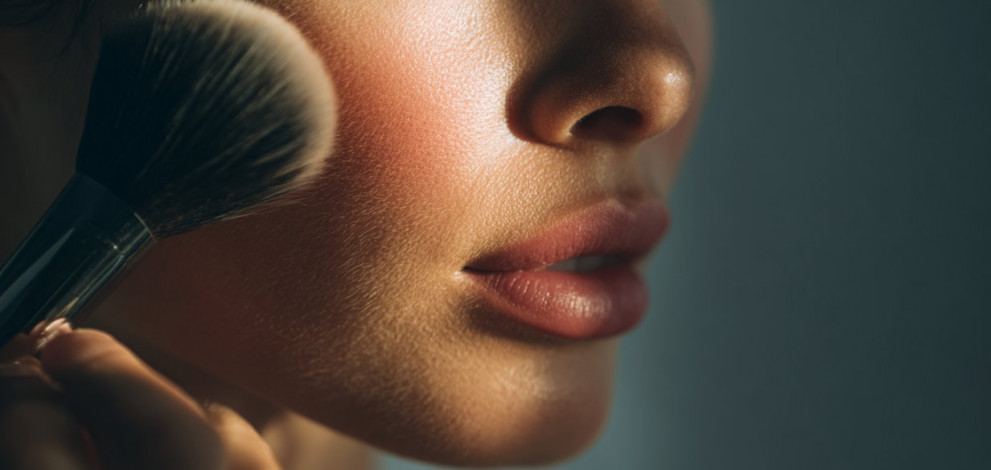
Discover the viral under-eye blush trend that lifts, brightens, and gives your mid-face an instant “awake” glow—without heavy concealer.
If you’ve ever opened your front camera on a sleep-deprived morning and thought, why do I look like I’ve been replying to emails in my dreams, you’re exactly the target audience for the latest cheek trick doing the rounds online. It’s called under eye blush, and yes—it’s literally blush placed higher than you were ever taught in school, sitting just beneath the eyes and across the top of the cheekbone.
The first time you see it, it can look a little… alarming. Like you’ve blended your blush into your concealer zone by accident. But watch it on a few faces and it starts to click: the placement makes skin look warmer, eyes look brighter, and the whole mid-face reads more alive.
And unlike some viral beauty moments that exist purely for the algorithm, this one actually does something. It sits right at the intersection of “soft glam,” “cold girl flush,” and that rosy haze that’s become shorthand for pretty, awake, slightly doll-like makeup.
1. Why This Placement Is Everywhere Right
Makeup has been in its “blush era” for a while—but the way people wear blush has changed completely. A few years ago, contour was the main character. Now, blush is doing the heavy lifting: shaping, lifting, adding warmth, making skin look like skin again.
This is part of a bigger trend around different blush placement—the idea that blush doesn’t have to live only on the apples of the cheeks. Across TikTok and Instagram, tutorials for blush under eyes makeup are racking up millions of views as creators experiment with higher, softer placements. It can sit higher, closer to the eyes, even drift into places we used to reserve for highlight and concealer.
Pop culture has also been feeding this. Sabrina Carpenter’s blush-heavy glam has become a reference point—rosy cheeks that melt into the under-eye area with a soft-focus finish. You also see versions of it on “clean girl” adjacent faces on TikTok, on K-pop-inspired makeup looks, and in that whole “pretty but a little dramatic” wave that’s replacing stark minimalism.
And then there’s the real reason it’s caught on: it photographs so well. High blush pulls the face together on camera. It makes skin look warmer and more dimensional, even when your base is minimal.
2. What It Actually Does to Your Face (and Why It Reads as)
The under-eye placement works because it’s visually lifting. Makeup artist Garima Jaggi explains it to be like a smart illusion: “When you place blush higher—just under the eyes and across the top of the cheekbone—it naturally draws the eye upward. That makes the midface look fuller, tighter and more youthful.”
There’s also a reason it can make you look healthier. “The under-eye and upper cheek area has a lot of tiny blood vessels,” she notes, which is why we naturally flush there when we’re excited, warm, or just had a brisk walk. Recreating that warmth makes the face read brighter and more alive, and it can even make the whites of the eyes look a little clearer.
The key is that it’s not trying to cover tiredness the way concealer does. It’s doing the opposite: adding a “there’s blood flow here” cue.
3. Not Everyone Needs To Do It The Same Way
Like most trends, it’s not “one technique fits all.” It depends on your under-eye area and how much contrast you naturally have there.
Even the best makeup trends have caveats. If you have very dark under-eyes, correct first—otherwise this can unintentionally highlight the contrast. If you have prominent eye bags, keep the placement higher and more outer-corner focused, or choose a softer shade and sheer it out. And if your under-eye area has a lot of texture? Go for the sheerest cream formula you can find, and resist the urge to build it up. This trend is at its best when it looks like it’s coming from your skin, not sitting on top of it.
This trend lives and dies by colour choice. The wrong undertone can turn the look from “awake” to “why do I look inflamed?” This is a good starting point:
- Fair skin: soft pinks or light peach
- Medium skin: warm rose, coral
- Deep skin: berry, plum
If the blush colour looks like it could naturally show up on your face after a warm shower, you’re on the right track. Also, avoid anything too starkly cool if your skin leans warm, and be cautious with very bright neon pinks unless you want the editorial impact.
4. How to Do It Without Looking Overdone
This is the part where the internet can be misleading: on camera, people can pile on product and it still reads soft. In real life, placement and blending are everything.
1. Step 1: Start With Your Base
Do your skin the way you normally would—tinted moisturiser, foundation, whatever you’re into.
2. Step 2: Conceal First (If You Need)
If you wear concealer, apply it before blush—especially if you’re neutralising darkness. Keep it light and focused (inner corner + any shadowy spots).
3. Step 3: Pick the Right Blush
Go for a cream or liquid blush. It blends into thin under-eye skin better than powder and looks more “skin-like.”
4. Step 4: Place a Tiny Amount on the Top of Your
Tap a small dot on the upper cheekbone, closer to the outer under-eye than the centre of your face. Avoid placing it directly on your dark circle zone.
5. Step 5: Blend up and out
Use your fingers, a sponge, or a small fluffy brush and blend upwards toward the temple.
6. Step 6: Blur the Edge for a ‘Soft Filter’ Finish (optional)
If you want that seamless, diffused look, tap the tiniest bit of leftover concealer along the edge where blush meets the under-eye—just to soften the line.
7. Step 7: Check the Finish in Natural Light
If it looks like a stripe or reads “irritated,” you’ve either used too much product or blended too close to the lash line. Sheer it out with a clean sponge.
8. Step 8: Add Glow in the Right Place
Skip shimmer within the blush. If you want radiance, add a subtle highlighter only on the high points of the cheekbone after everything is blended. As Jaggi notes, under-eye skin is thin—sparkle can emphasise texture fast.
5. How to Make it Look Intentional (Not Like You Blended Too High)
Under-eye blush is one of those looks that benefits from the rest of your makeup being slightly pared back—because the placement already makes a statement. Keep brows soft, skin glowy (but not overly powdered), and lashes defined enough that your eyes don’t get visually lost in the blush haze. A nude lip, tinted balm, or glossy stain makes the whole look feel modern rather than overly “full glam.”
If you want to lean into the pop culture version of the trend—think Sabrina Carpenter’s rosy doll-face meets TikTok soft glam—pair it with a blurred lip line, subtle brown liner, and a touch of highlight on the cheekbones (not the under-eye area).
So… Does It Actually Make You Look More
If done right: yes, in a way that’s surprisingly convincing.
Under-eye blush is less about “covering” tiredness and more about changing what the face communicates. It shifts focus upward, brings warmth into the mid-face, and mimics the kind of flush we associate with energy and health. It can’t replace sleep (tragic), but it can absolutely fake that “I’m thriving” glow for long enough to get through a day.