Sometimes it takes just one fresh trip to the salon to hear it: “Wow, you look rested.” Most of the time, that compliment isn’t about a new lipstick or miracle cream—it’s about hair. The right hair color can quietly erase a few years, soften lines, and brighten your eyes. Pick the wrong shade, though, and everything suddenly feels harsher and more tired. Getting that balance right is where the real magic lives.
Why the Right Hair Color Can Make You Look Younger
As we get older, our features naturally lose some facial contrast—the difference in color between our eyes, lips, brows, and surrounding skin. Research shows that when this contrast drops too low, faces are perceived as older; bump it up a bit, and faces look younger. Hair color frames all of that, so if it’s too flat, too dark, or too faded for your features, it can quietly add years instead of subtracting them.
How Hair and Color Change With Time
Dermatology education materials note that many of us first spot gray hairs around age 30, often near the temples. A large international survey found that between 45–65, about 74% of people have at least some gray, with an average intensity of roughly 27%. Another finding: the old “50/50/50 rule” (at 50, half your hair is gray) is more myth than reality and varies a lot with genetics and natural hair color.
On top of that, gray and white hair often feels coarser and more stubborn. Reviews of hair aging describe structural changes that make it a bit wirier and harder to shape or color. That’s why very harsh dyes, extreme bleaching, or inky dark formulas can fight against the hair’s new texture and end up looking brittle instead of polished.
When we talk about “youthful” color after 40 or 50, the goal isn’t to chase our twenties; it’s to bring back balance, softness, and light around the face.
Color Mistakes That Quietly Add Years
The biggest trap is jumping several shades away from your natural base in one go. Jet-black on mature skin tends to sharpen every line and shadow. On the flip side, going ultra-bleached all over can wash out your features and emphasize redness or uneven tone. Super-bright red and neon copper shades are gorgeous on the right person, but they highlight any redness and demand a lot of confidence—and upkeep.
Shades to Treat With Caution
- Very dark black-brown or blue-black that hardens facial features.
- Platinum or near-white blonde that erases natural contrast.
- Intense fire-red or cherry tones that magnify redness in the skin.
- Flat, one-note box colors with no dimension or soft highlights.
Speaking personally, the times I’ve looked the most “tired” after a salon visit were when I chased a trendy shade instead of what worked with my face. The moment I went back to a softer, slightly warmer version of my natural tone, people started asking if I’d slept better. I laughed—nothing changed except my hair color, but it really did make me look younger.
How to Choose a Youthful Shade That Fits You
A good rule is to stay within one to two levels of your natural color and adjust the tone, not just the depth. Softer, multidimensional color tends to look fresher than a heavy, opaque block of dye. A colorist will factor in skin undertone, natural eye color, and how much gray you want to cover versus blend. Often, a mix of shades around your base, plus gentle brightness near the face, gives the most believable result.
Shades That Often Soften Features After 50
There’s no universal formula, but some families of color reliably add light and softness without shouting for attention. For many people, especially once gray becomes noticeable, these options tend to flatter:
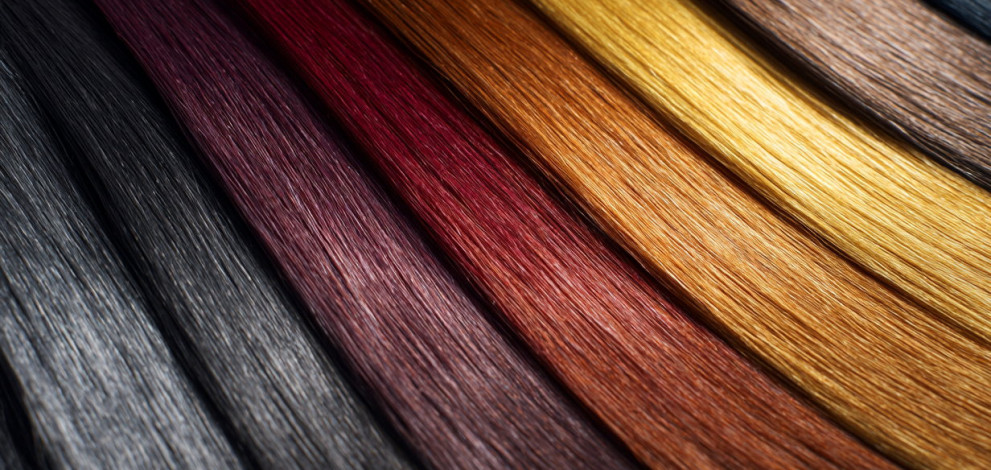
- Caramel and honey tones – Warm, mid-light shades that add glow and dimension without turning brassy.
- Soft light blondes with a rosy beige hint – Great for natural blondes who want brightness but still need a little warmth in the skin.
- Cool ash shades without yellow – Ideal if your skin flushes easily; they mute brass and can make the complexion look calmer.
- Medium chocolate and coffee browns – Rich, not inky; they give depth and shine while keeping features soft.
In my mind, the sweet spot is where color looks like it could have grown out of your head on your very best day. A thoughtful youthful hair color, a few soft highlights, and realistic gray coverage can do more for your face than any complicated contour routine. Age will still be there—and that’s a good thing—but your hair will be working with you, not against you. If you’ve found a shade that does that, it’s always worth sharing the story.