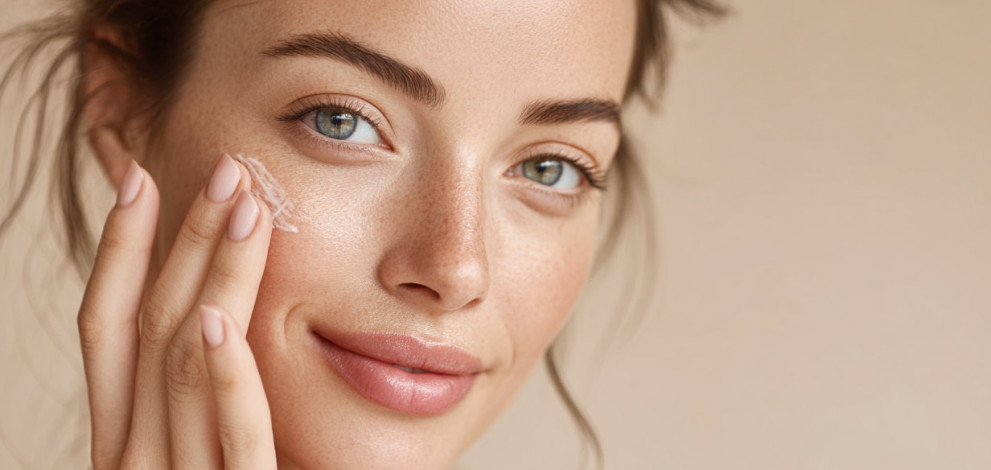
Heatwaves can disrupt your skin more than you realise. From dehydration to irritation, simple changes in your routine can make a big difference. These tips focus on keeping your skin protected, balanced, and comfortable without overcomplicating your skincare.
10 Practical Tips to Keep Your Skin Safe in a Heatwave
Heatwaves can make a simple skin-care routine feel like too much. Sweat, humidity, strong sun, dehydration, dust: One moment, your skin is greasy, the next, it’s irritated. In extreme heat, the goal is not to pile on more layers, but to look smarter and choose lighter products that protect the skin barrier and prevent sunburn, heat rash, clogged pores, and dryness.Heatwave skincare is all about “less is more.” Your skin needs sun protection, hydration, gentle cleansing, breathable clothing and soothing ingredients, not heavy creams and complicated steps. Here are 10 practical ways to take care of your skin when it gets hot.
Apply broad-spectrum sunscreen
Sunscreen is a must during a heat wave. Apply a broad-spectrum sunscreen of at least SPF 30 liberally to your face, neck, ears, hands and all exposed areas. Reapply sunscreen approximately every two hours when outside, and after swimming or heavy sweating. This matters because sweat can wear sunscreen down faster, leaving your skin vulnerable to sunburn, tanning, irritation, and long-term UV damage. Keep a small sunscreen in your bag so reapplication becomes easier.
Use lightweight, non-comedogenic moisturisers
It may feel tempting to skip moisturiser in hot weather, but heat and sweating can still disturb your skin barrier. The key is to switch textures. Instead of thick creams, choose lightweight, water-based or gel-based moisturisers that are labelled non-comedogenic, meaning they are less likely to clog pores. This is especially useful if your skin becomes oily or acne-prone in summer. A light moisturiser helps maintain hydration without making the face feel sticky, greasy, or heavy under sunscreen.
Choose soothing ingredients
During a heatwave, skin can become red, itchy, sensitive, or prickly because of sweat, sun exposure, and friction. This is when calming ingredients can help. Look for products with aloe vera, glycerin, panthenol, or lightweight barrier-supporting ingredients. Aloe vera can feel cooling, glycerin helps attract moisture, and panthenol is commonly used to comfort irritated skin. Keep your routine simple and avoid introducing too many new active ingredients at once, because overheated skin can react more easily than usual.
Stay hydrated and eat water-rich foods
A lot about Skincare is what you put on. It’s also about how well you are handling the heat. You are recommended to drink plenty of fluids when the temperature rises, even if you do not feel thirsty. You can also stay hydrated throughout the day by including foods that are high in water content like watermelon, cucumber, oranges, muskmelon and coconut water. When the body is dehydrated, skin may look dull, feel tight, or become more sensitive. Hydration will not replace moisturiser or sunscreen, but it supports your skin from within.
Use antioxidant serums smartly
A vitamin C serum in the morning can be a useful addition during summer because antioxidants help support the skin against environmental stress, including UV-related free radical damage. Apply it after cleansing and before moisturiser and sunscreen. However, keep the formula gentle and do not over-layer actives if your skin is already irritated. Antioxidants are not a replacement for sunscreen, but they can work well alongside SPF as part of a simple morning routine. If vitamin C stings, pause and focus on barrier repair first.
Take cool or lukewarm showers
While hot showers are relaxing, during a heatwave they can leave the skin feeling flushed, dry and uncomfortable. Cool showers or baths are suggested to cool the body down during heatwaves. Use a mild or soap-free cleanser (or just water if you need to wash more than once a day due to sweat). Don’t use a loofah or other abrasive scrubbing pad as the friction can aggravate the irritated skin. After bathing, pat the skin dry and apply a light moisturiser if needed.
Wear breathable fabrics
What you wear can affect your skin as much as what you apply. During extreme heat, you should go for loose, lightweight, light-coloured clothing. Cotton and linen allow sweat to evaporate more easily and reduce friction, which can help lower the risk of heat rash and irritation. Tight synthetic clothes can trap sweat, especially around the back, chest, underarms, and inner thighs. If you sweat a lot, changing out of damp clothes quickly can also prevent discomfort and rashes.
Go light on makeup
The heavy foundation, concealer, and multiple layers of base makeup can seal sweat and oil in during a heatwave, leaving skin feeling clogged. Instead, opt for tinted sunscreen, a lightweight skin tint, lip balm and maybe a dab of waterproof mascara if you must. Allow your skin to breathe, and you’ll find it easier to reapply sunscreen. If you prefer makeup, be sure to fully cleanse it at night, so sweat, sunscreen, and product buildup don’t stay on your skin.
Protect lips, scalp, and body
Heatwave skincare should not stop at the face. Lips can burn too, so use a lip balm with SPF when going outdoors. A wide-brimmed hat, sunglasses, and protective clothing can help reduce direct UV exposure, while shade is especially important during strong sun. Shades, protective clothing, and sunscreen all help reduce sun damage risk. Do not forget commonly missed areas like ears, back of the neck, hands, feet, and exposed scalp lines.
Exfoliate gently, not aggressively
Heat may accelerate the accumulation of sweat, sunscreen, and pollution, but you don’t need to over-exfoliate. Aggressive scrubs or daily acids can compromise a skin barrier that’s already feeling stressed from sun and high temperatures. Cut back to once or twice a week with a gentle product, and skip it if your skin feels itchy, sunburnt, or irritated. You’re looking to keep pores clear, not strip the skin. Gentle cleansing and consistency usually beat daily exfoliation.