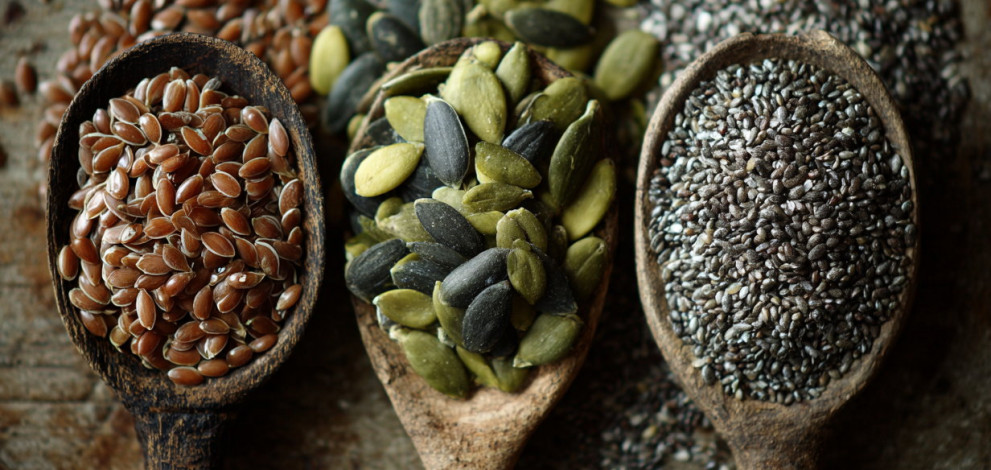
You walk into a grocery store or scroll through a health app, and suddenly, these tiny seeds are everywhere. Very often, you can find chia seeds in smoothies, flax seeds in flour dough, and pumpkin seeds as snacks. They’re often grouped as “superfoods”.
If you’ve ever wondered which seed is actually better for you—or whether you need all three—you’re not alone. The answer isn’t about picking the “best” seeds for health. It’s about understanding what your body needs. Let’s break it down in a way that actually makes sense for your daily Indian diet.
Why Are Seeds Suddenly So Popular?
Seeds have always been part of traditional diets in India—til (sesame), flax (alsi), and even pumpkin seeds in some regional cuisines. What’s changed is awareness. Today, these seeds are valued for a few key reasons. First, they are easy to add to your daily meals. Second, they are packed with nutrients, and finally, they support digestion, heart health, and overall wellness. However, each seed has its own unique effects in the body.
Chia Seeds: The Hydration & Digestion Supporter
Tiny black or white seeds that swell up when soaked in water are known as chia seeds. That gel-like texture is what makes them unique.
What makes chia seeds stand out?
Chia seeds are rich in fibre, a good source of omega-3 fatty acids, absorb water, and keep you hydrated.
When should you choose chia seeds?
If you:
– Struggle with constipation
– Don’t drink enough water
– Want something light for summer
How to include in your diet
– Soak overnight and add to water or lemon drinks
– Mix into curd or smoothies
– Add to overnight oats
Think of chia as your summer-friendly, digestion-support seed.
Flax Seeds: The Heart & Hormone Support Choice
What’s special about flax seeds?
Flax seeds are high in omega-3 fatty acids, contain lignans (plant compounds linked to hormonal balance), and are good for heart health.
When should you choose flax seeds?
If you:
– Want to support heart health
– Are managing cholesterol
– Are looking for hormone balance support
How to include in your diet
– Dry roast and powder them
– Add to flour for roti
– Sprinkle over sabzi or dal
Flax seeds are your “daily heart-friendly addition”.
Pumpkin Seeds: The Protein & Mineral Boost
Pumpkin seeds are bigger, crunchier, and often eaten as a snack. They’re very different from chia and flax. Rich in protein, magnesium, and zinc, they can help support energy and muscle function.
When should you choose pumpkin seeds?
If you:
– Feel low on energy
– Need a healthy snack
– Want to support muscle or immunity
How to include in your diet
– Eat roasted as a snack
– Add to salads or poha
– Mix into trail mix
Pumpkin seeds are your “on-the-go energy punch”.
Chia vs Flax vs Pumpkin: What’s the Real Difference?
Instead of comparing which is “better”, it helps to see what each one does:
- Chia seeds → Digestion and hydration
- Flax seeds → Heart and hormone support
- Pumpkin seeds → Protein and energy
So the real question is, what does your body need right now?
Can You Eat All Three Together?
Yes, you can—but you don’t need to overdo it. A simple approach is to rotate between flax, chia, and pumpkin seeds through the week or mix small amounts of each. For example, you can have chia water to start your day with, add some flax seeds to your lunch and take pumpkin seeds as snacks in the evening. Balance matters more than quantity.
Common Mistakes People Make With Seeds
Even healthy foods can go wrong if not used properly. Some common mistakes people make with seeds are:
- Eating too much: Seeds are nutrient-dense but also calorie-rich. More is not always better.
- Not soaking chia seeds: Dry chia seeds can be hard to digest if eaten in large amounts.
- Eating flax seeds whole: Whole flax seeds may pass through the body without being fully absorbed. Choosing ground flax seeds or grinding them helps.
So, Which Seed Is Best for You?
There’s no one-size-fits-all answer, but there is a quick way to decide. For digestion issues, opt for chia seeds, or if you have heart health or cholesterol issues, choose flax seeds. To fuel up, for energy and snacking, pick pumpkin seeds. If your diet is already balanced, you can include all three in moderation.
Chia, flax, and pumpkin seeds all have their own benefits. Instead of chasing trends or being a sheep and trying what everyone’s trying, focus on what fits your lifestyle.
FAQs
Q. Which seed is best for daily use?
There’s no single “best” seed—it really depends on your needs. If you’re looking for fiber, chia or flaxseeds are great. For healthy fats and minerals, pumpkin seeds work well. The easiest approach? Rotate a mix of seeds in small amounts instead of sticking to just one.
Q. Can I take chia, flax, and pumpkin seeds together?
Yes, you can have flax, chia, and pumpkin seeds together – but keep the portions small. A mix of all three can be included in your meals, or you can rotate them through the week.
Q. Do flax seeds help you with hormonal imbalance?
Flax seeds contain plant compounds, which support hormonal balance. They are often included in diets for this reason, but they’re not a treatment on their own. Always check first with your dietitian or a professional.
Q. What will happen if you eat chia seeds for 30 days?
You may notice better digestion and feel fuller for longer. Just remember to soak them and keep portions moderate.
Q. What should not be mixed with chia seeds?
Avoid adding dry chia seeds in large amounts or mixing them into very thick foods without soaking. They absorb water and may feel heavy to digest.
Q. What’s the best time to eat seeds?
Honestly, there’s no fixed “perfect” time. You can add seeds to your breakfast, mix them into a smoothie, or even munch on them in the evening. What matters more is having them regularly in small amounts.
Q. Should flaxseeds be avoided on an empty stomach?
Not always—but if you’ve ever felt bloated after having them first thing in the morning, that could be why. A safer bet? Have them with meals or soak them before eating.
Q. What are the seven super seeds?
You’ve probably seen this term a lot—“super seeds”. It usually refers to chia seeds, flaxseeds, pumpkin seeds, sunflower seeds, sesame seeds, hemp seeds, and even watermelon seeds. These are popular because they pack in fiber, good fats, and nutrients in small portions.