In today’s fast-paced world, anxiety has become a common companion for many people. Whether it’s the stress of daily life, work pressures, or personal struggles, anxiety can take a toll on both your body and mind. Fortunately, yoga offers a holistic approach to calming the mind, reducing stress, and promoting relaxation. In this article, we’ll explore five effective yoga poses that can help soothe your anxiety and bring you peace of mind.
1. Child’s Pose (Balasana)
Child’s Pose is a gentle, restorative posture that encourages relaxation and brings a sense of calm to the body and mind. This pose is particularly beneficial for releasing tension in the back, neck, and shoulders, areas that often carry stress. By folding into the pose, you can also promote deep breathing, which helps to calm the nervous system and reduce anxiety.
How to do it:
- Start on your hands and knees in a tabletop position.
- Slowly lower your hips back towards your heels, extending your arms forward on the mat.
- Rest your forehead on the floor and breathe deeply, allowing your body to soften and relax into the position.
Benefits: Child’s Pose is known for its ability to ground you, alleviate stress, and promote a sense of calm.
2. Legs Up the Wall Pose (Viparita Karani)
This restorative pose is ideal for unwinding after a long day. Legs Up the Wall Pose encourages circulation, reduces tension, and allows the body to reset. By putting your legs against the wall, you trigger a relaxation response in the body, which helps reduce anxiety levels.
How to do it:
- Sit next to a wall with your legs extended in front of you.
- Gently lie back, and swing your legs up the wall, so your body forms an L-shape.
- Place your arms at your sides with palms facing up.
- Close your eyes and focus on your breath, allowing your mind to relax.
Benefits: This pose helps calm the nervous system and reduces feelings of anxiety by promoting relaxation and improving circulation.
3. Standing Forward Bend (Uttanasana)
Uttanasana, or the Standing Forward Bend, is a pose that stretches the hamstrings, releases tension from the back, and calms the mind. It can be particularly helpful in alleviating the physical symptoms of anxiety, such as tightness in the body.
How to do it:
- Stand with your feet hip-width apart and bend forward from your hips.
- Let your head and neck relax towards the floor, with your hands reaching towards your feet or the floor.
- If you can, grab opposite elbows and gently sway from side to side.
- Take slow, deep breaths and hold the pose for several breaths.
Benefits: This pose releases tension in the spine, calms the nervous system, and helps to ease feelings of anxiety by stimulating a sense of groundedness.
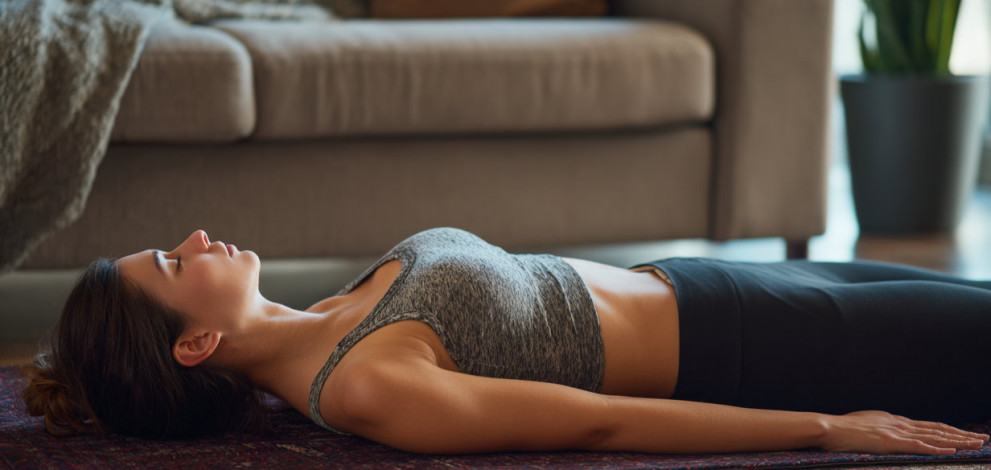
4. Corpse Pose (Savasana)
Often considered the most relaxing yoga pose, Savasana is typically practiced at the end of a yoga session. It allows your body and mind to fully relax and absorb the benefits of your practice. This pose is known to reduce stress, lower blood pressure, and promote mental clarity.
How to do it:
- Lie flat on your back with your legs extended and arms resting at your sides, palms facing up.
- Close your eyes and allow your body to relax completely.
- Focus on your breath, taking deep inhales and exhales to center your mind.
- Stay in this pose for 5-10 minutes, letting your mind and body fully unwind.
Benefits: Savasana helps to reset the nervous system, bringing a sense of peace and reducing stress and anxiety.
5. Seated Forward Bend (Paschimottanasana)
This seated stretch is perfect for calming the nervous system while also stretching the back and hamstrings. The gentle forward fold helps to release tension from the spine and stimulates deep, relaxing breaths.
How to do it:
- Sit with your legs extended straight in front of you.
- Inhale and lengthen your spine, then slowly exhale as you fold forward over your legs.
- Reach for your feet or shins, depending on your flexibility, and relax your head towards your knees.
- Breathe deeply and hold the pose for several breaths.
Benefits: Seated Forward Bend helps calm the mind, stretches the spine, and aids in releasing physical tension, making it ideal for reducing anxiety.
Conclusion
Yoga is a powerful tool for managing anxiety and promoting mental well-being. These five poses, when practiced regularly, can help soothe your mind, alleviate stress, and provide a sense of calm during moments of anxiety. Incorporating these simple, yet effective poses into your daily routine can make a significant difference in how you handle stress and anxiety. Take time for yourself and find peace through the practice of yoga.
FAQ
1. How often should I practice yoga for anxiety?
To experience the benefits of yoga for anxiety, try to practice it regularly. A daily practice, even for just 10-15 minutes, can help manage anxiety effectively. However, practicing a few times a week can still provide significant relief.
2. Can yoga replace therapy for anxiety?
While yoga can be a helpful tool for managing anxiety, it is not a substitute for therapy. If you are experiencing significant anxiety, it’s important to seek professional help from a therapist or counselor in addition to practicing yoga.
3. Are these yoga poses safe for beginners?
Yes, these yoga poses are generally safe for beginners. However, it’s important to listen to your body and avoid pushing yourself too hard. If you are new to yoga, consider starting with a beginner’s class or a video to ensure proper form and technique.
4. Can yoga help with panic attacks?
Yoga can be helpful in reducing the symptoms of a panic attack by promoting relaxation and regulating your breath. Poses like Child’s Pose, Savasana, and Legs Up the Wall can help calm your nervous system during a panic attack.
5. How long should I hold each pose?
Hold each pose for 5-10 breaths, or longer if it feels comfortable. Focus on your breathing and allow your body to relax into each pose. The longer you stay in the pose, the deeper your relaxation can be.